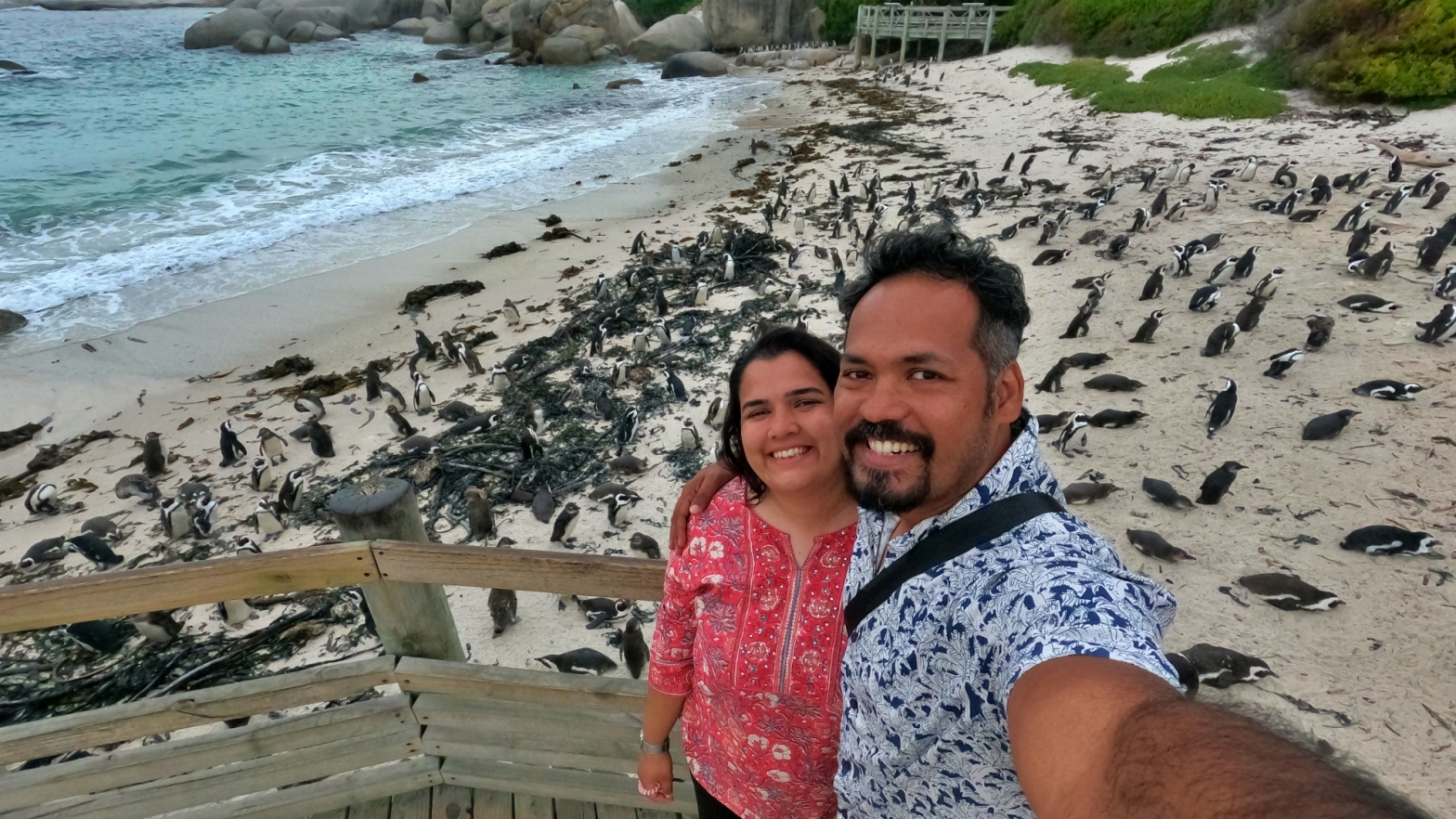
How we spent time watching the rare pelagic birds off the coast of Cape Peninsula and endangered waddling African Penguins in Simon’s Town - a suburb of Cape Town, South Africa.
Trip date – Beginning of November 2023
Simon’s Town is a port town on the eastern side of the Table Mountain National Park on the coast of False Bay. It is a suburb of Cape Town and can easily be reached in one hour. It’s a quaint little town with one of the most mesmerizing coastlines lined with tidal pools, white beaches, yacht clubs, and fishing villages. It has gained a lot of attention since it became host to a breeding pair of endangered African Penguins. A couple of decades later, this town is pioneering in the conservation of these African Penguins with the largest colony on Boulders Beach.
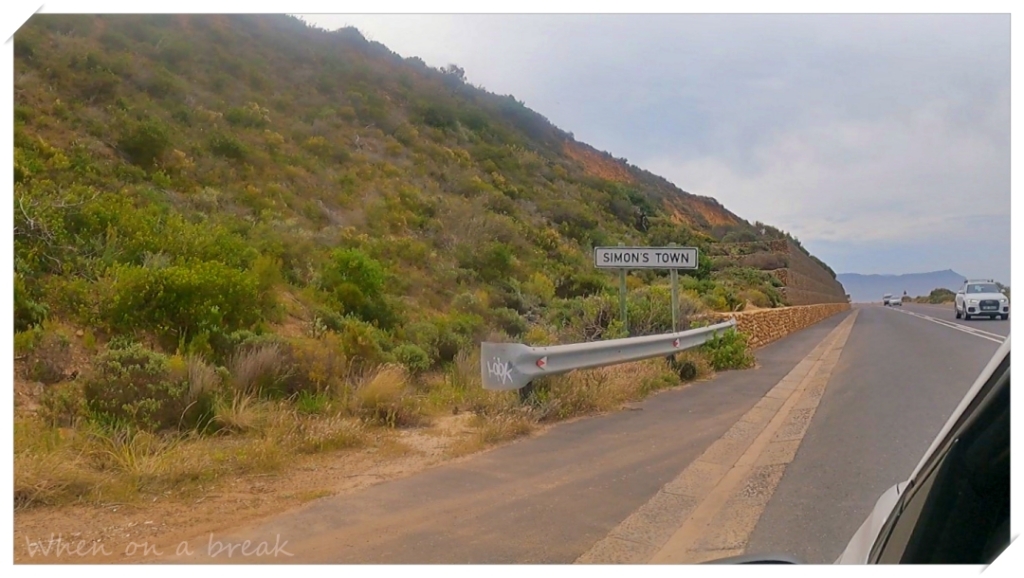
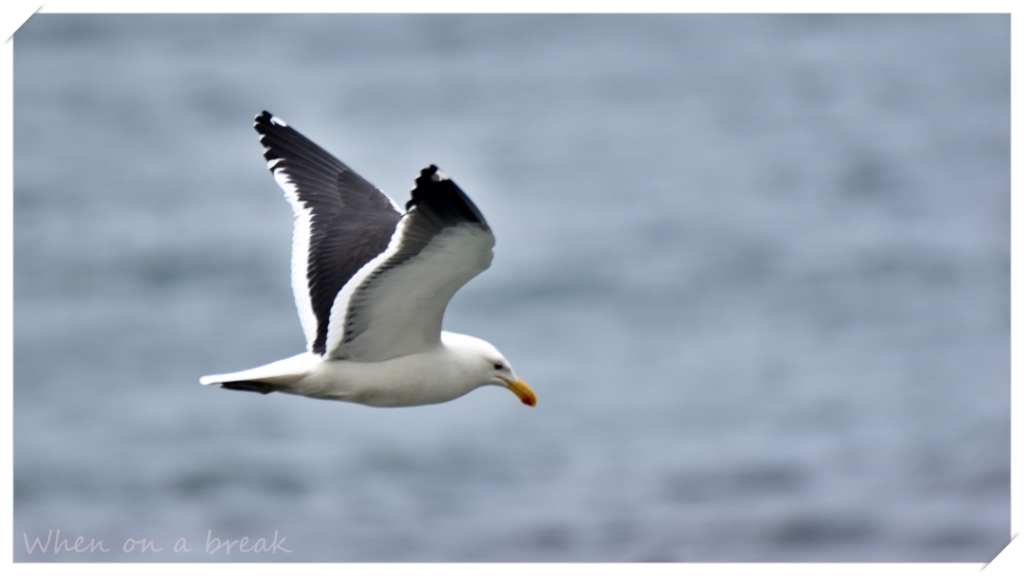
Simon’s Town harbour is a starting point for numerous tours into the ocean for various interests. Fishing expeditions and whale-watching expeditions are the most popular but our interest was in watching the rare sea birds that only a lucky few get a chance to see - the pelagic avian treasures of South Atlantic. To see these birds you need a stomach made of steel to withstand the wild Atlantic swell as they never come to land unless they want to nest.
*Disclaimer* - Due to scheduling reasons we did both these activities on different days. In fact, for the pelagic trip, we had to drive back from the next big town - Hermanus. Any offshore activity is weather permitting and they do these trips only over weekends. Our itinerary and booking were such that we could not be in Simon Town over a weekend. However, if planned properly they can surely be done in one day – very easily. Read on!
Read on to see how a day can be spent in Simon Town watching birds on and off the coast.
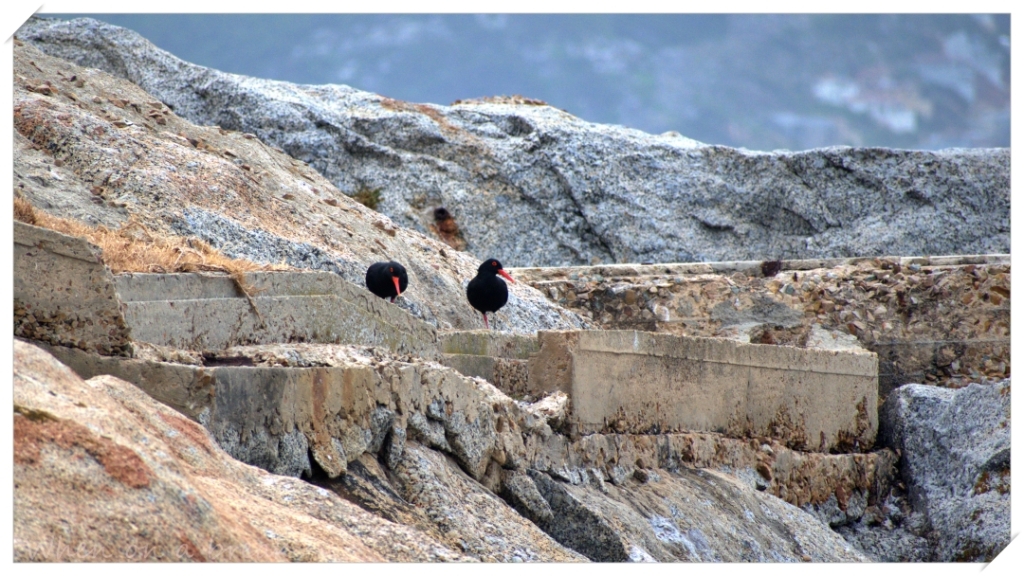
Pelagic Birdwatching Trip with Cape Town Pelagic
After a lot of research, we did the pelagic birdwatching tour with Cape Town Pelagic and it was an out-of-this-world experience. They are very ethical in their functioning and extremely professional and passionate. Their profits are put towards bird research and conservation. The only downside for us was that based on our itinerary, we could not be in Simon Town over the weekend and they do these expeditions only over the weekend. Fortunately, we were only in the next big town - Hermanus, and managed easily to get a ride back for our slot. In hindsight, the extra travel was totally worth it!
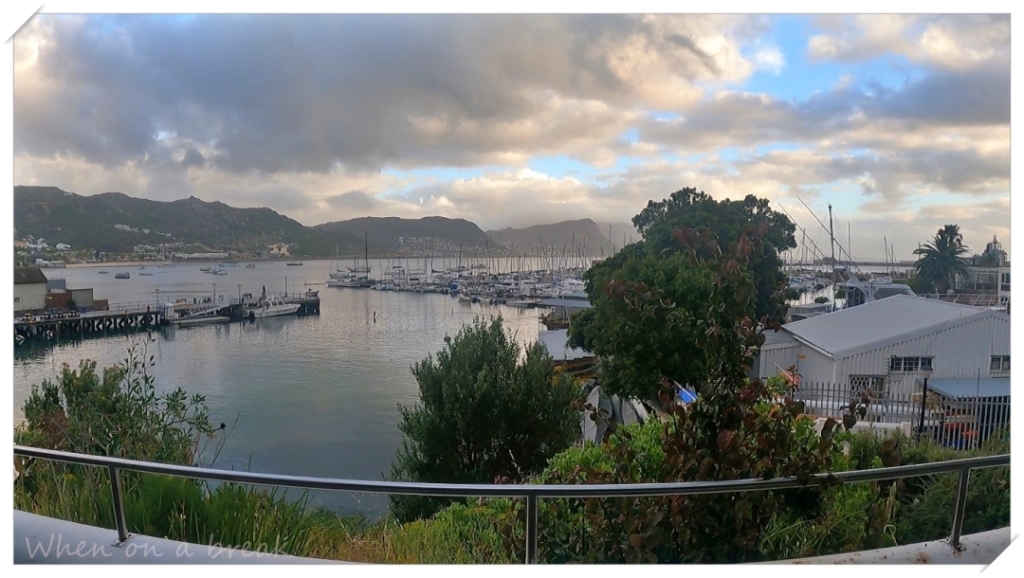
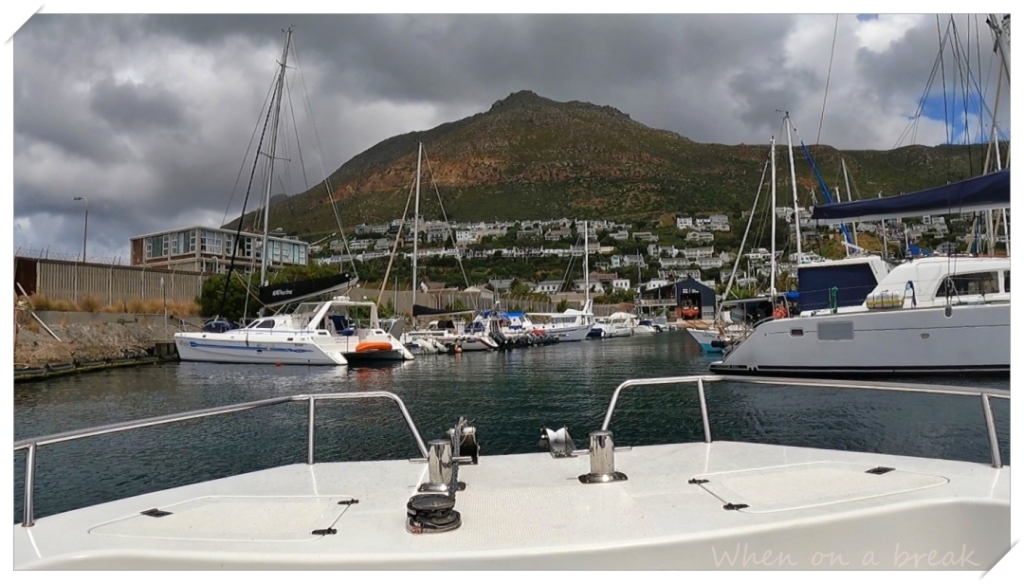
Cape Town Pelagic is a small yet efficient team with David Swanepoel being the bird guide and expedition leader. He is extremely cool and well-informed about the biodiversity of his country. We met him at 7 am at False Bay Yacht Club (Simon Town Harbour) and got introduced to the assigned skipper - Alan and 6 other enthusiastic birders – a small group, perfect!
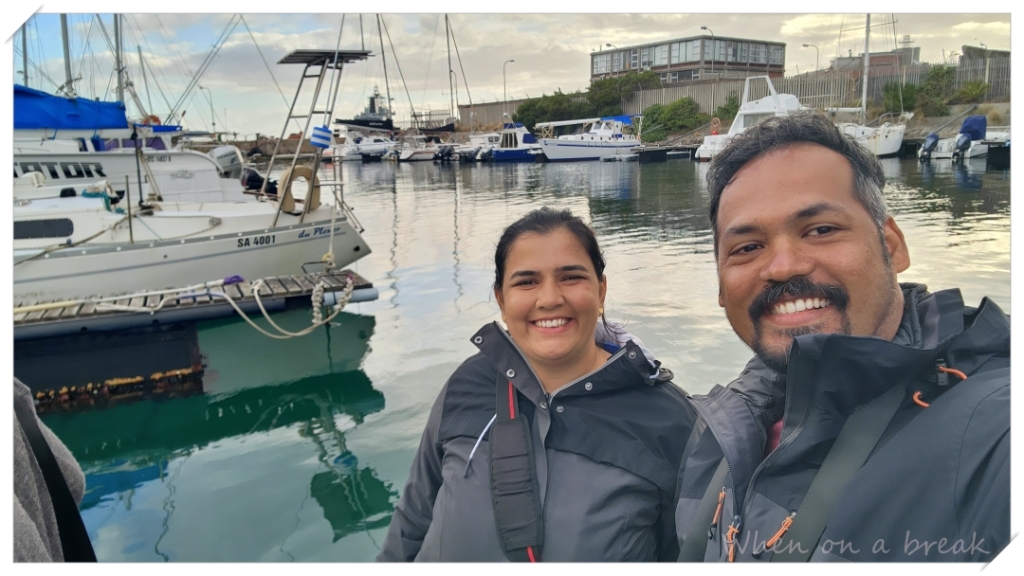
Once on the boat, Alan took a quick safety session and was in constant connection with coastal weather and security people which kept our minds at peace. David suggested keeping our bulky lens in the bag and only using a 70-300mm one as it is extremely difficult to focus on a flying bird from a boat even if it’s stationary due to high swells. He was 100% right.
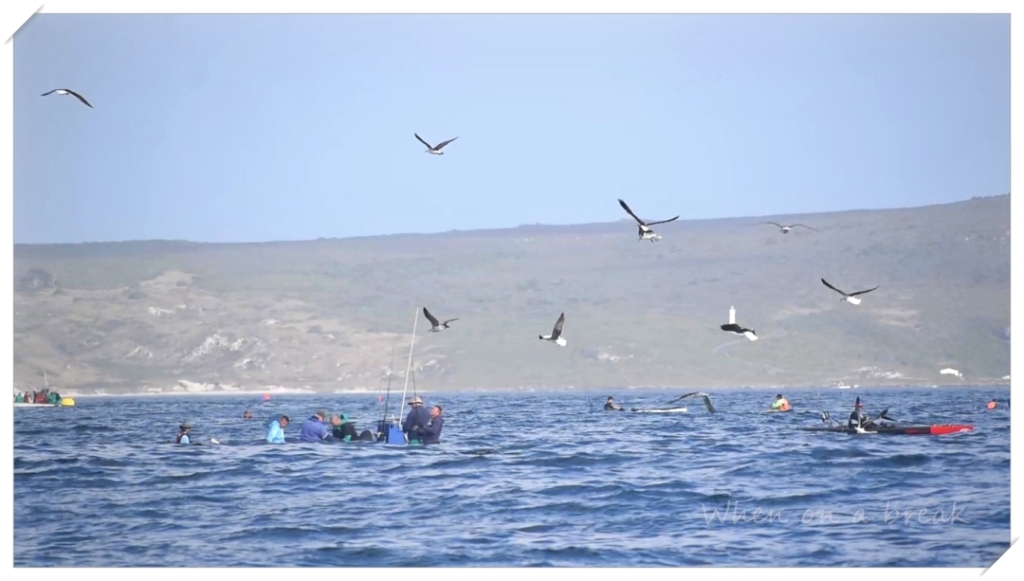
Although when we started the weather was cloudy, but as we were crossing Cape Point (by the ocean, YESSSS!! Imagine me jumping on my seat and clicking 1000 pictures – so exciting! My trip was 50% successful already) the weather started clearing up, best for good bird photos! It was still cold so jackets were kept on but the sun was shining better.
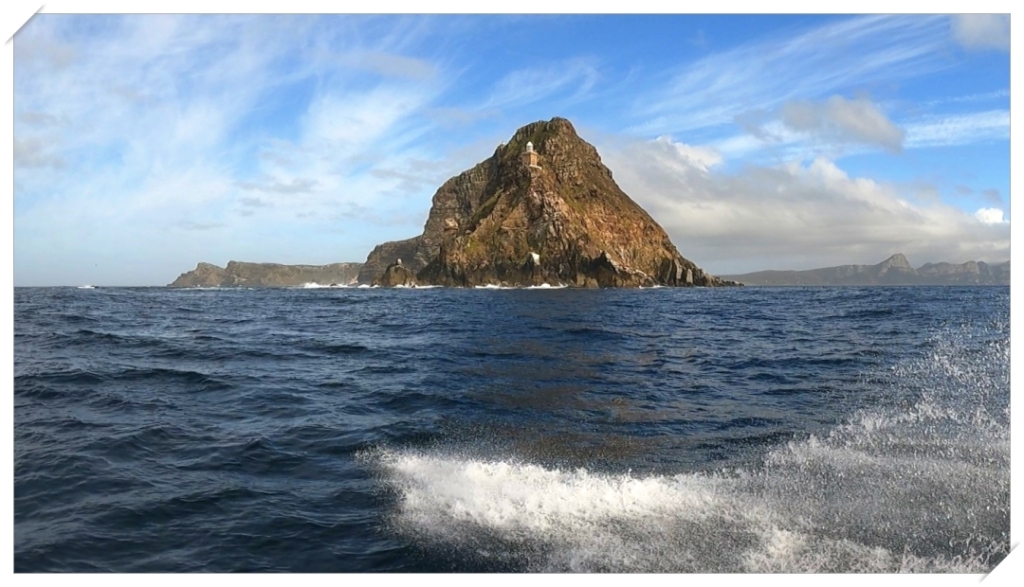
This trip is certainly not for the faint-hearted or sea-sick travellers (PLEASE pop in the meds! This trip is unmissable). Thankfully at least we were not sea-sick and enjoyed the trip thoroughly. Being on a speeding boat in the Atlantic Ocean is an adventure on its own. Alan handled the South Atlantic swells perfectly and tried to keep the boat as stable as possible. Standing and sitting are difficult but clicking flying bird photos is even more challenging when the swells are so high. Another challenge on this trip was to save the camera equipment. Alan asked us to put our bags in the seat boxes but off course the cameras were in our hands. Ocean water spray can be damaging to the camera so we kept it inside our jackets and took it out only when we spotted a flying seabird. It was causing a bit of delay when the boat was moving.. but hey, no choice!
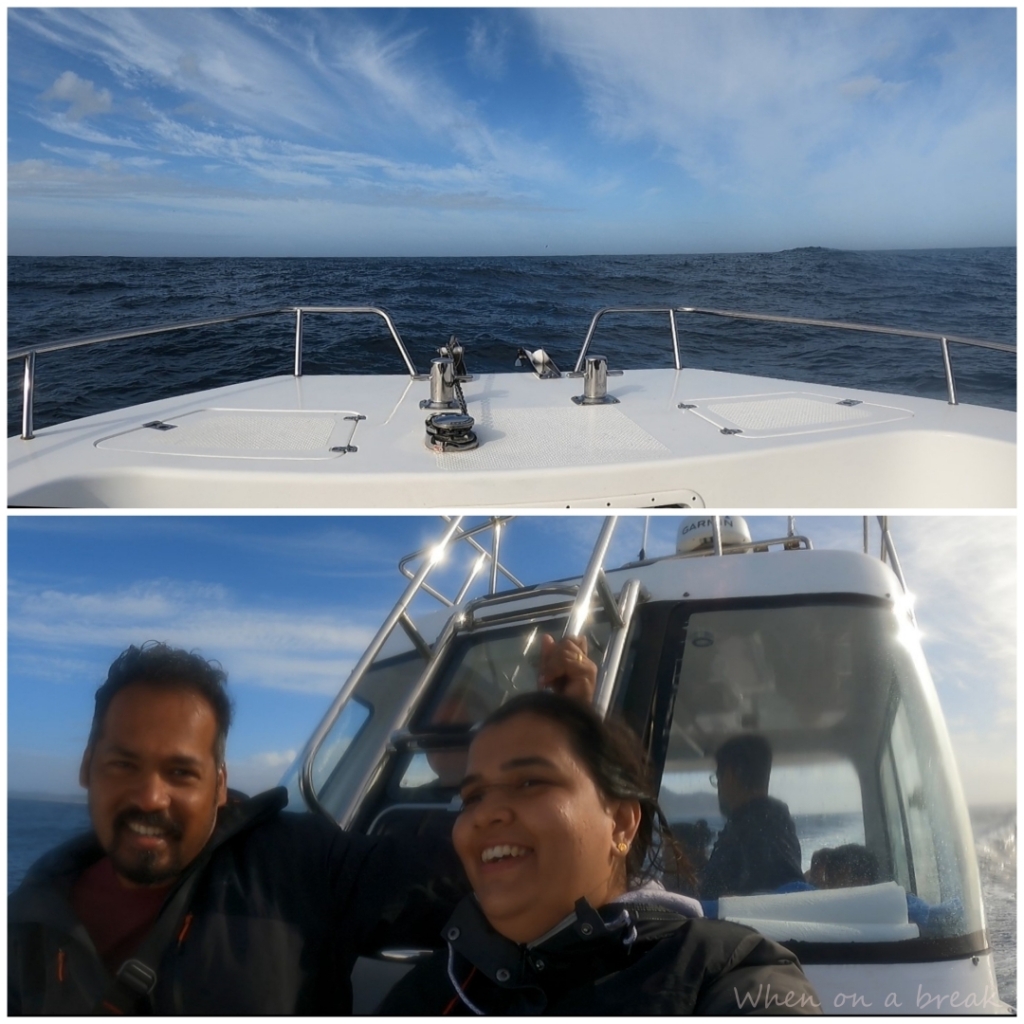
The plan is normally to follow a fishing vessel/trawler as it attracts the most birds. Unfortunately, even after going 60 km into the water, we did not find one (it had moved to a 100km far location). So, we moved to plan B. ie.. to stay stationary and open up a bait box to scatter fish around the boat to attract the pelagic birds. It worked like a charm and we were able to see so many new species, the highlight being Shy Albatross.
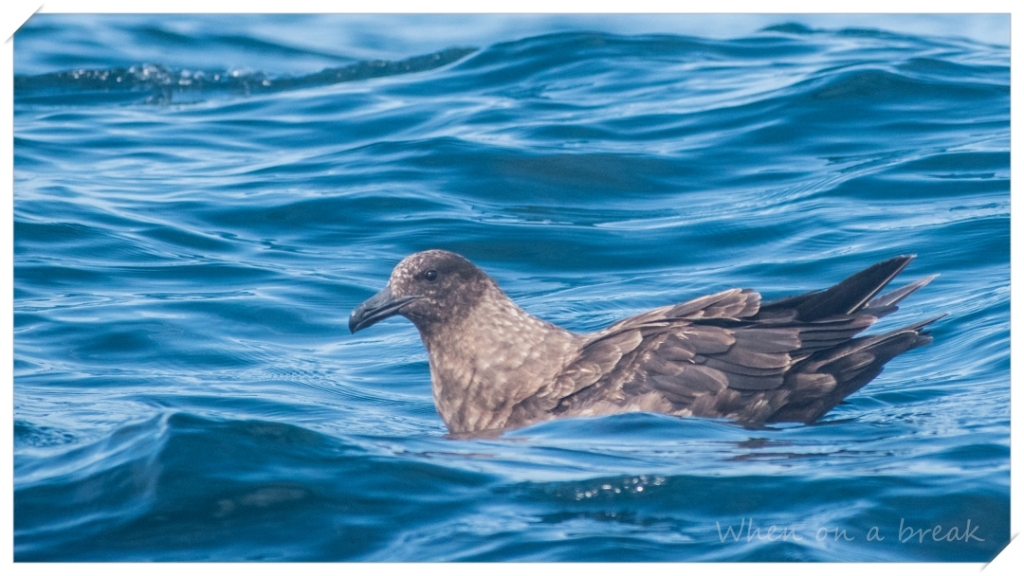
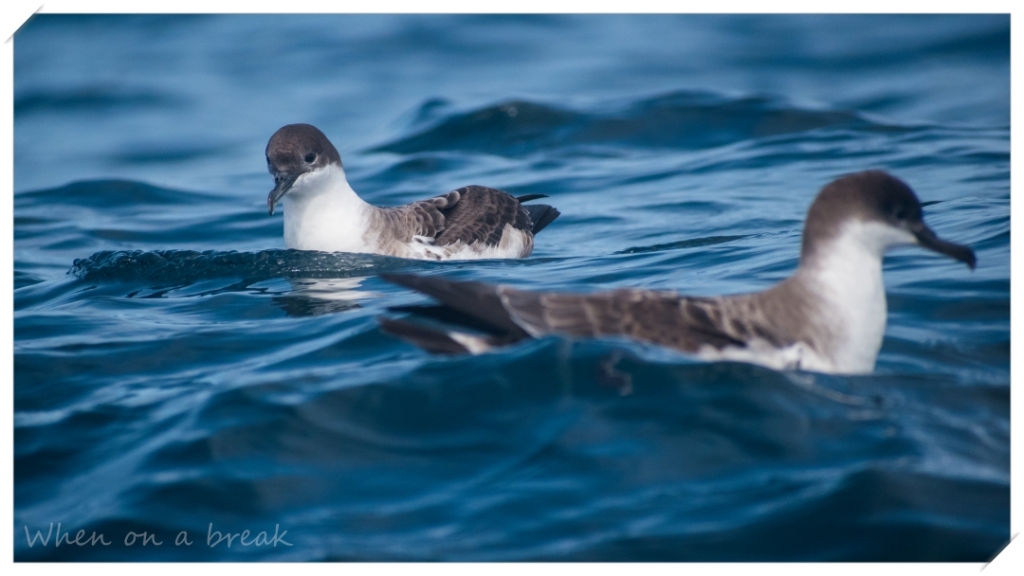
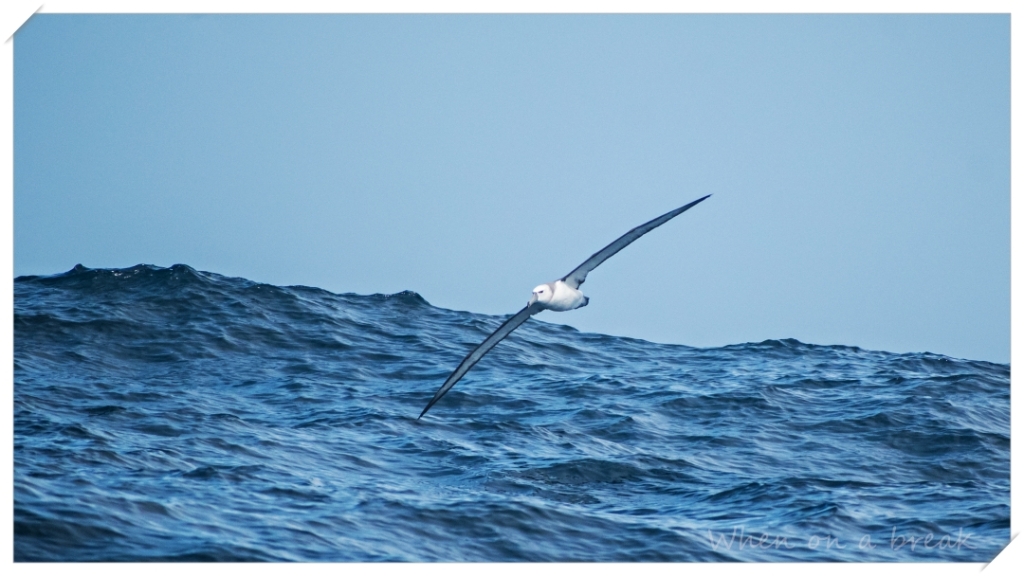
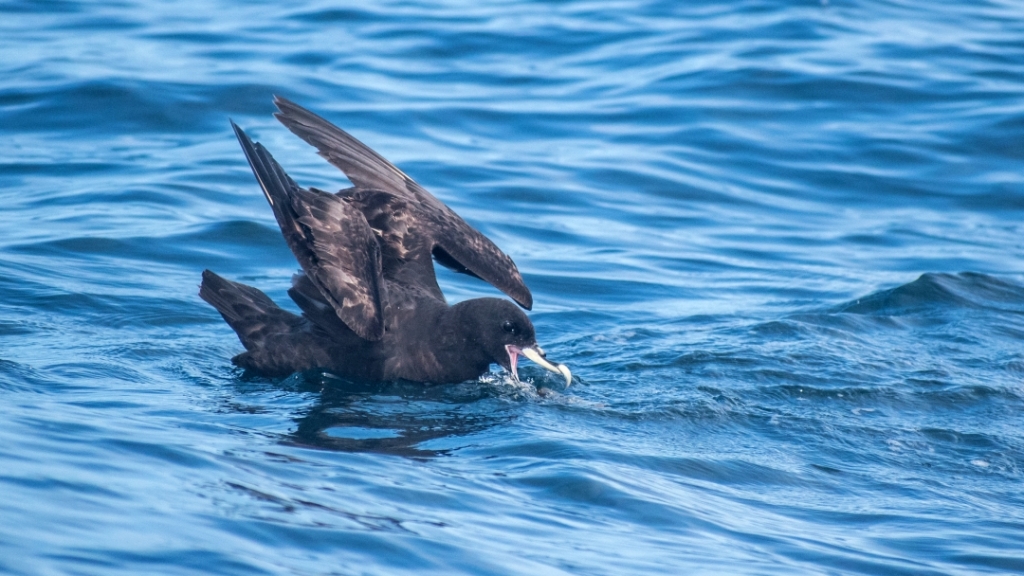
Pic 01 - Brown Subantarctic Skua
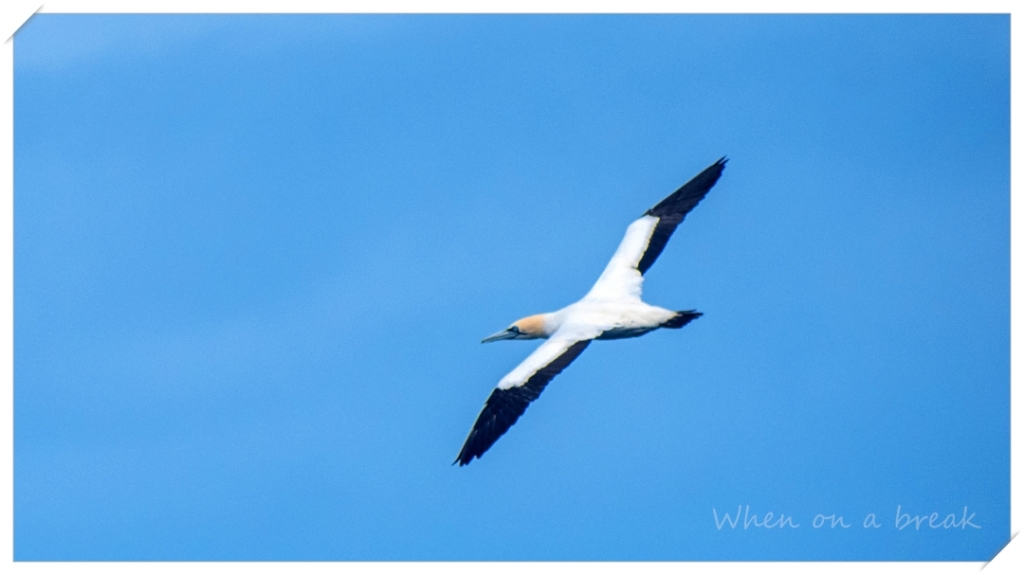
Pic 02 - Cape Gannet
Pic 03 - Great Shearwater
Pic 04 - Shy Albatross
Pic 05 - White-chinned Petrel
After a halt of a good 30 minutes in the middle of nowhere surrounded by a deep swaying blue ocean and no land in sight, it was time to head back north. It was a very satisfactory trip so far. Everyone had wide smiles and camera memories full of sea birds photos (… A LOT of blurry photos) which are almost impossible to click on land. David and Alan are very experienced in what they do and along with keeping moods light and trip enjoyable they are great human beings and knowledgeable trip companions.
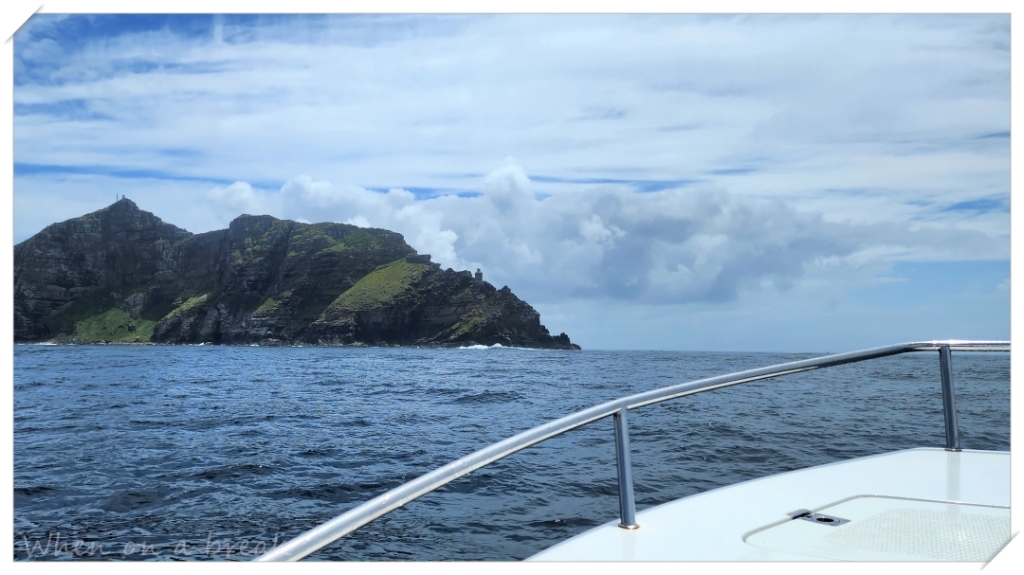
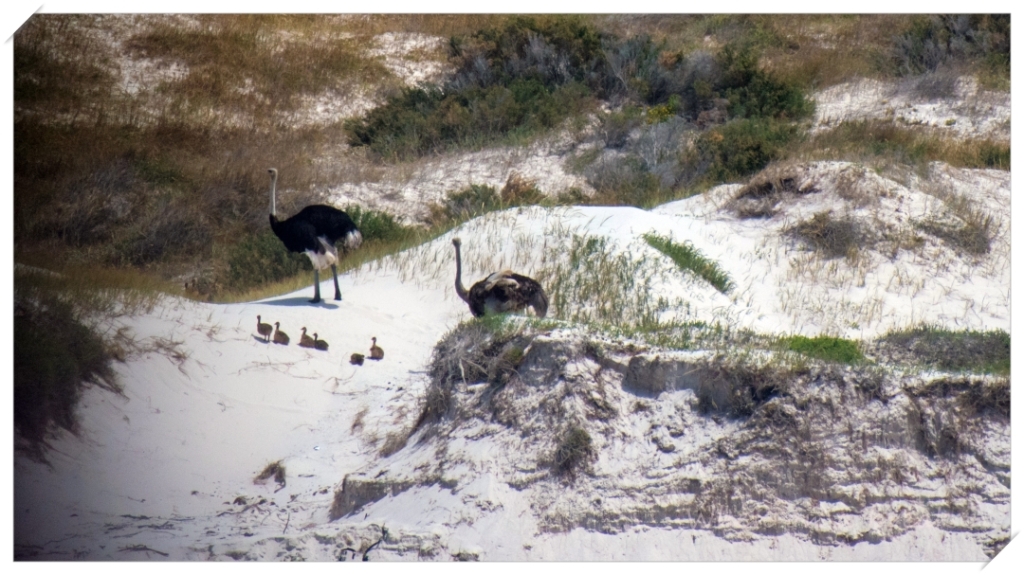
We paused again near Buffel’s Bay Beach. Where often the famous loner elephant seal Buffel lazes around. We saw him on Duiker Island near Hout Bay a couple of days before so most probably he was not here. We saw a family of Ostrich with babies and everything, it was lovely!
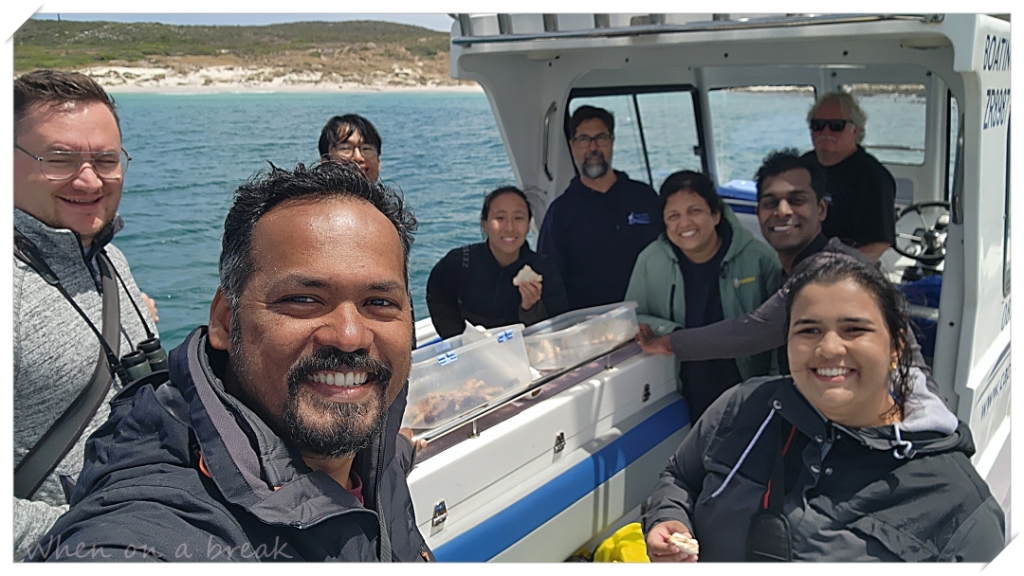
David pulled out a big box of finger sandwiches and another with grilled chicken wings - yum! yum! yum! The bays along the shore are relatively much calmer, so it was no problem snacking 😊 in-fact we were famished by this time and this snack break was much needed. Everyone in our troop was from different backgrounds and countries so the interesting conversations and interactions made this stop-over enjoyable. We also talked about shark sightings in False Bay, which in my opinion is a great conversation starter 😀
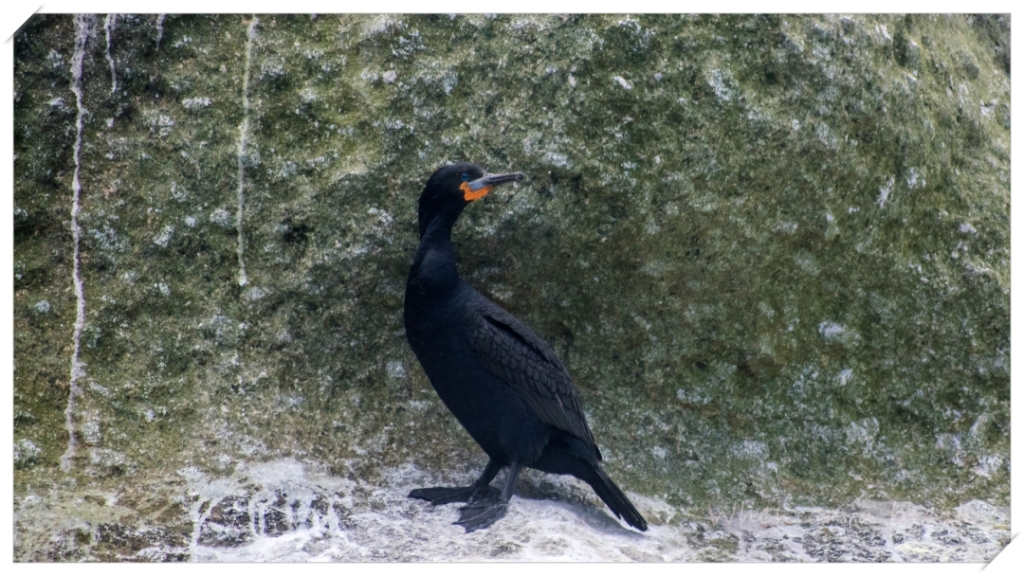
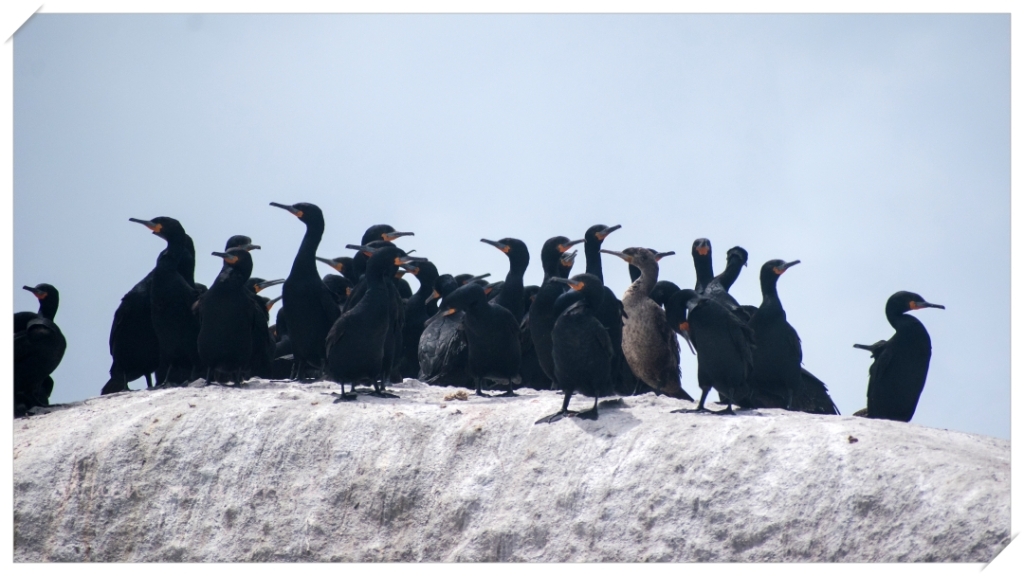
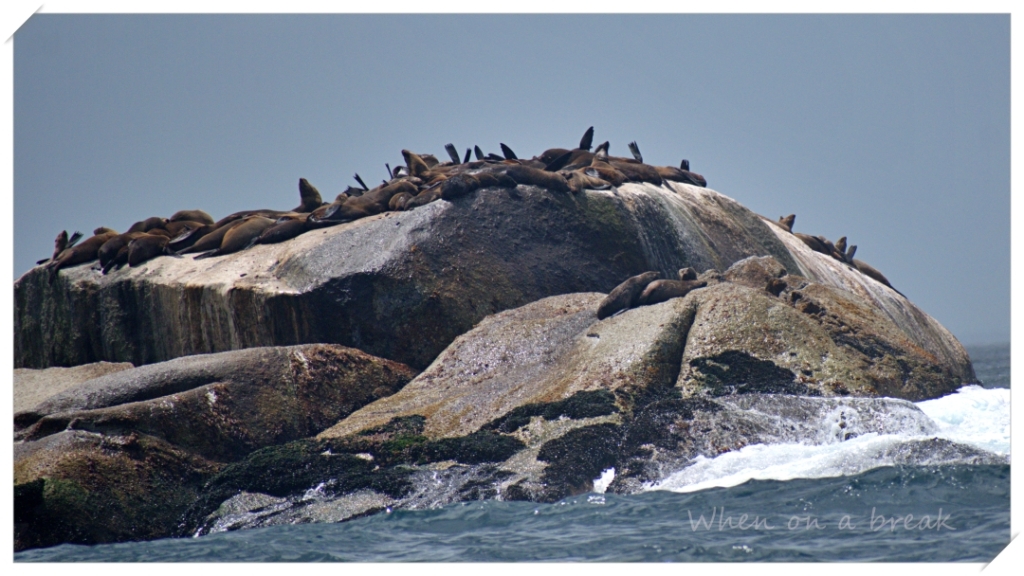
On our way back to Simon’s Town Harbor we crossed Seal Island, a rocky outcrop where seals lounge and Cape Cormorants nest. We were able to go quiet close to the rock to click pictures without disturbing them.
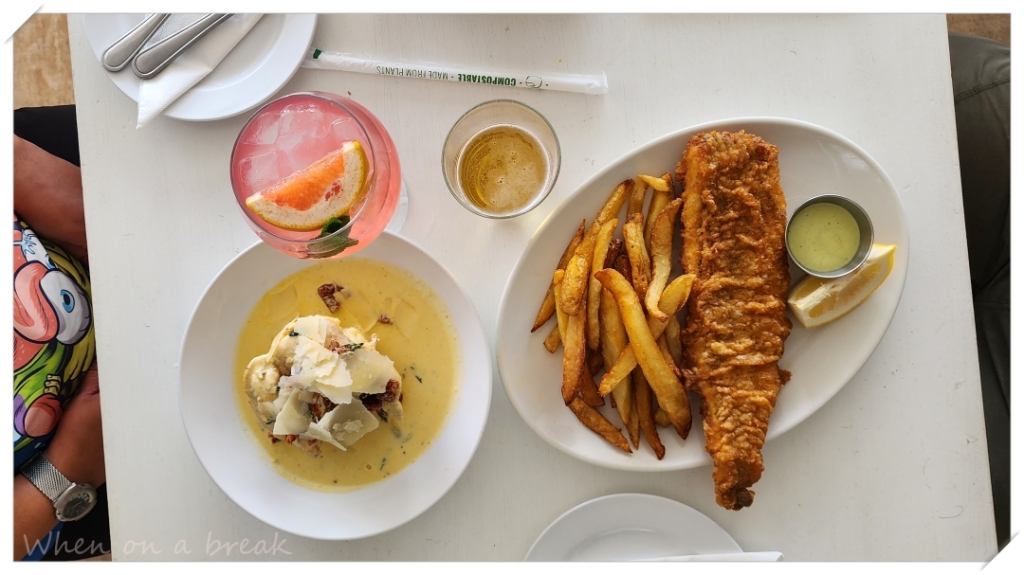
We returned to Simon’s Town Harbour by 1-1:30 pm. Our faces were caked with salt from the Atlantic Ocean - free Sea salt spa treatment I would say! We headed straight to the Boardwalk Centre (there is a pay and park close to it) to use the washroom and scrub our faces. There are many restaurants here too for a quick bite before heading back to the hotel. A quick bath and mid-day nap are recommended after this birding trip to calm down the nerves and wiggly sea legs. 😊
This trip can be researched and booked from the Cape Pelagic website. The back office is extremely efficient and prompt. The trip is extremely weather-dependent and gets locked only a noon before the trip once the authorities release weather data. Most importantly, their tour batches are small so they fill up very quickly. We booked almost 6 months earlier and luckily got the last spot. Post-trip - within a couple of days, we received a well-written trip report from them, which was a lovely gesture! This tour has to be on everyone’s list who is interested in watching the rare sea birds. It’s definitely a 10/10. Oh, did I mention about the whales? Yes, in the right season, whales and other marine wildlife can be seen easily on this tour.
African Penguin watching at Boulder’s Beach
The endangered African Penguins can be spotted on a couple of beaches on the False Bay coastline. But Boulder Beach is the main African Penguin watching spot developed by SAN Parks to observe the largest nesting colony of these funny little creatures. Boulder Beach/Simon Town is a popular day-tripping location from Cape Town. Staying here overnight enabled us to visit this conservation center in the evening around 4 pm (it closes at 5pm) when the day-tripping crowd left and we had the beach and viewpoints all to ourselves.
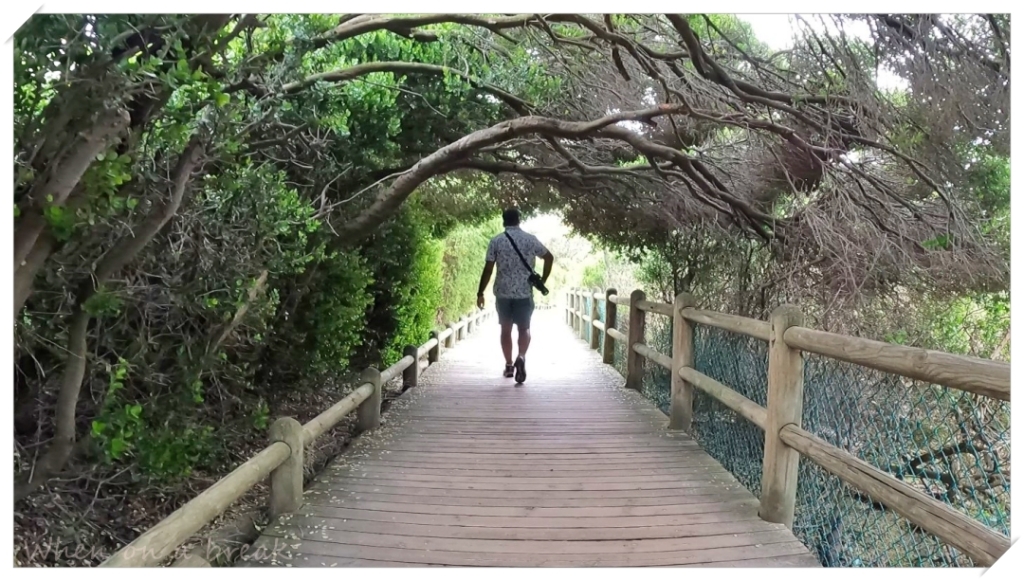
We could see penguins resting on and under the shore boulders from the parking lot as well. Tickets can be bought online, but because we went in the evening – the counters were empty and we could easily buy them on the spot. There is a café and souvenir store next to the ticket counter.
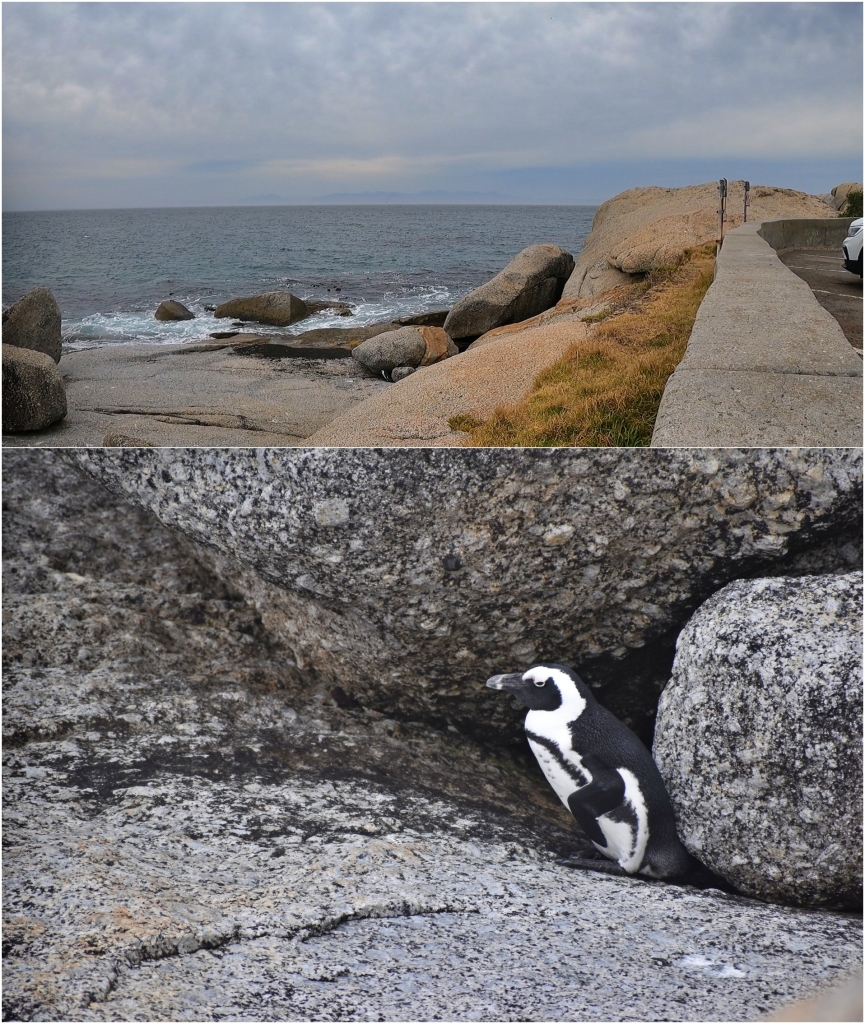
SAN Park and the local community have very carefully maintained a healthy safe ecosystem around the beach and the boarded walkway. This has made the African Penguins choose to continue staying here and repopulate. It has attracted many other small animals and birds too.
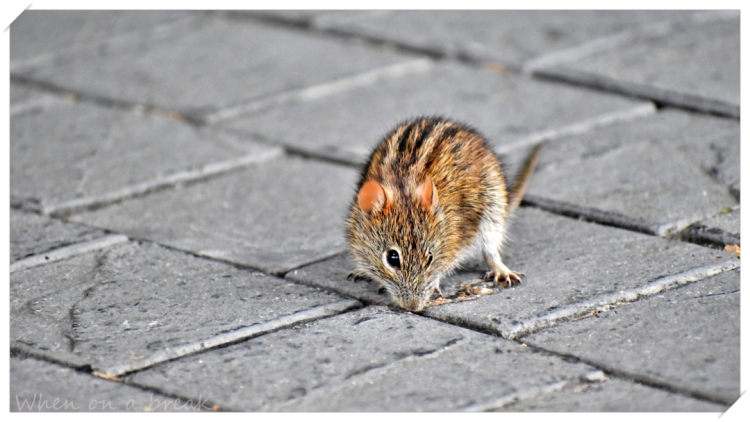
Pic 01 - Four Striped mouse. Cute!
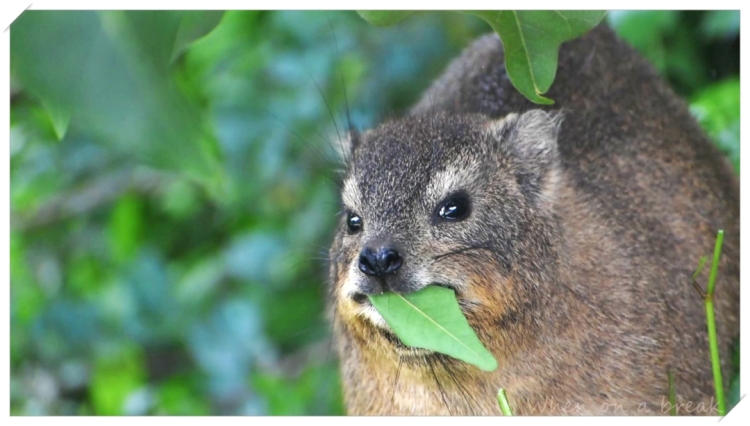
Pic 02 -Rock Hyrax or as called in South Africa ‘Dassies’, is commonly found ‘eating’!
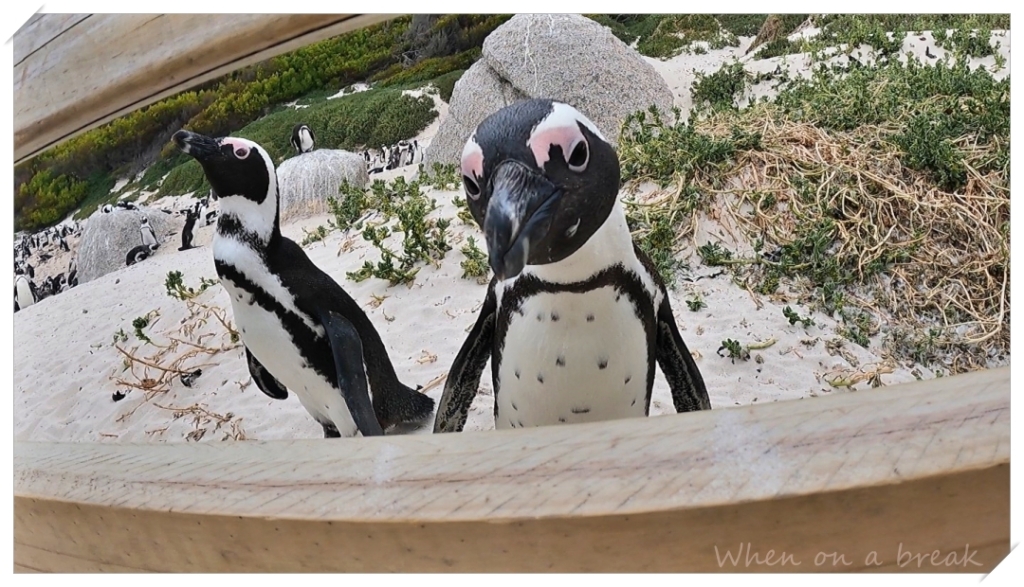
There are information boards all along the path explaining their life cycle and food choices etc.. The wooden walkway is a good way to sit and observe these cute Jackass Penguins (named after their donkey-like call) taking a swim and teaching their kids too how to do so. Waddling and bumping and rolling, these penguins are extremely extraordinary. It’s fun to see them playing around and gliding joyfully in the incoming waves.
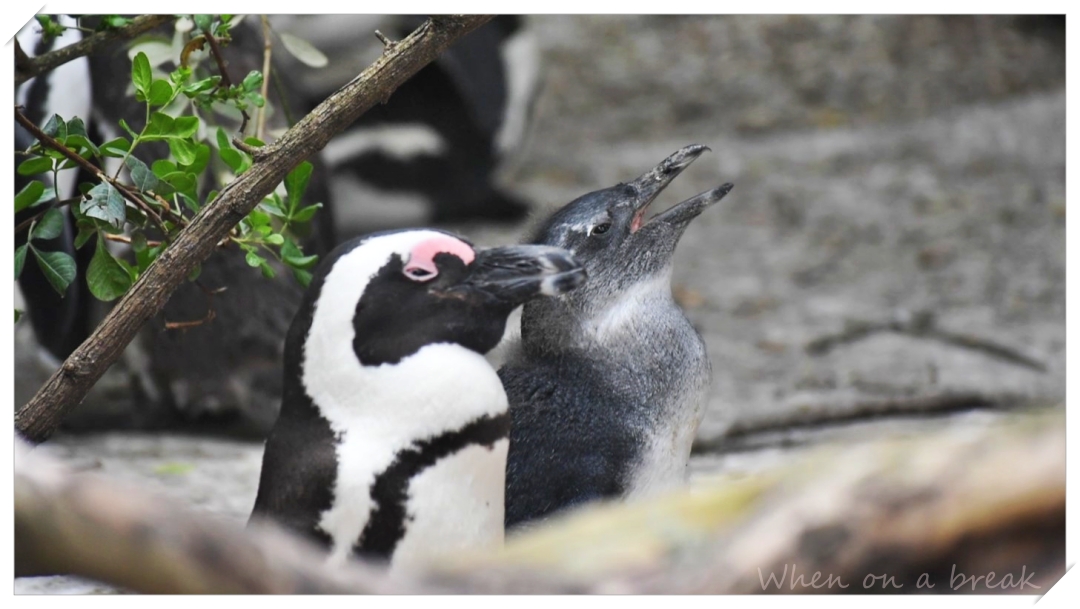
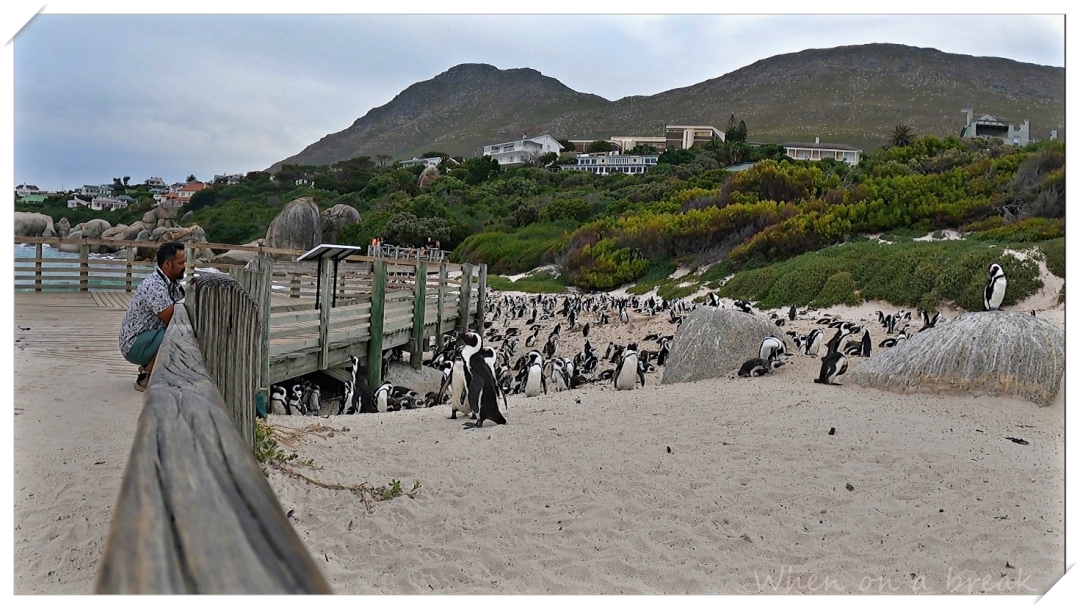
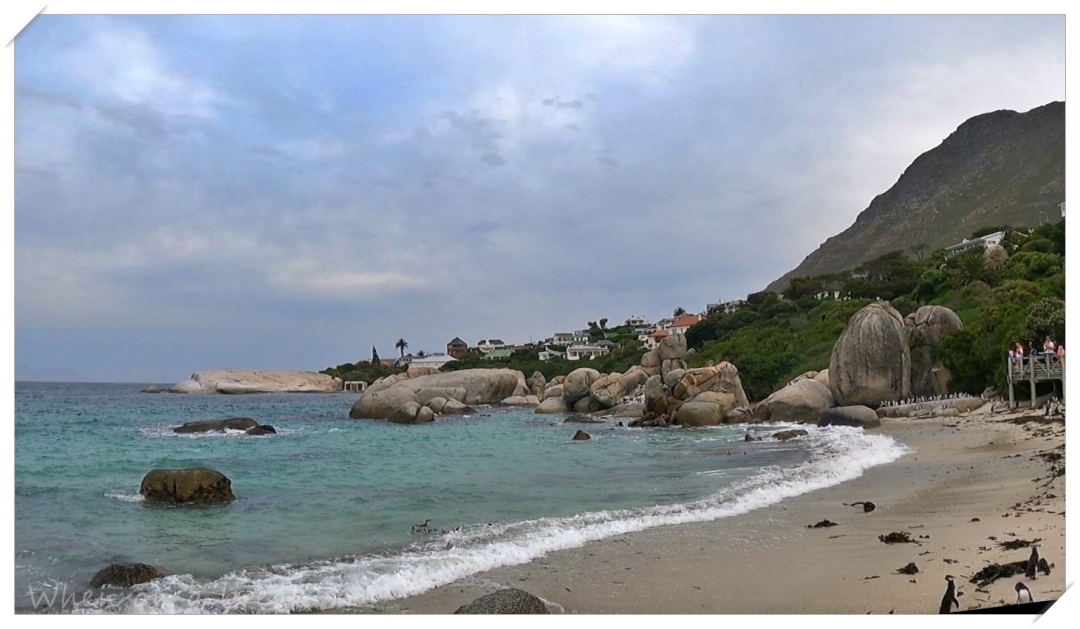
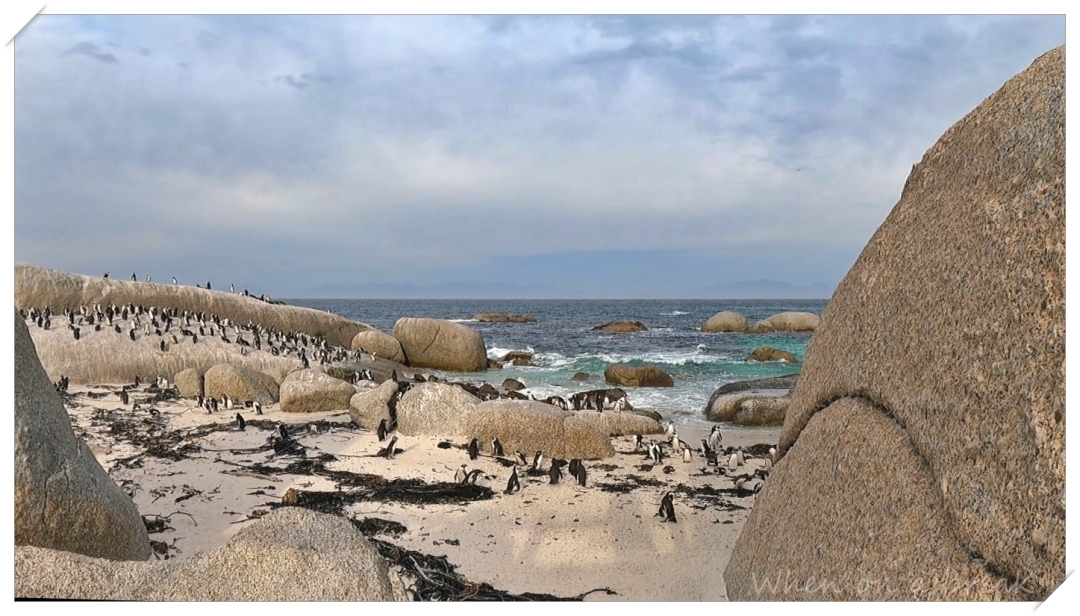
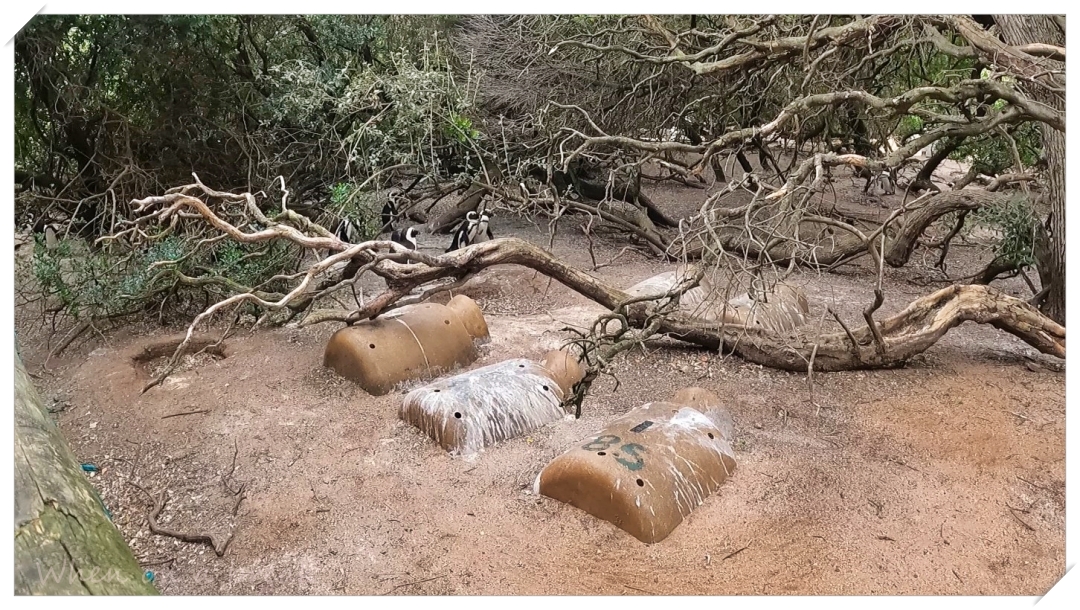
Pic 01 - Adult and baby African Penguin.
Pic 02 - Sunny taking his time to click curious penguins from the walkway.
Pic 03 - View of the Middle beach and adolescent penguins enjoying a swim.
Pic 04 - Sun bathing on a rock after a long swim.
Pic 05 - Man made nests for Penguins to recycle each breading season.
I know there are many blogs and vlogs out there which suggest skipping Boulders Beach to see these penguins and instead go to surrounding beaches to ‘swim with the penguins’. We would strongly discourage that activity as African Penguins are still endangered and are wild. Everyone is not a responsible tourist and chasing/harassing wildlife for photos, videos is the worst thing to do. Please don’t wait for authorities to pull you up and remind you to be a good and responsible human being. Keep your distance.
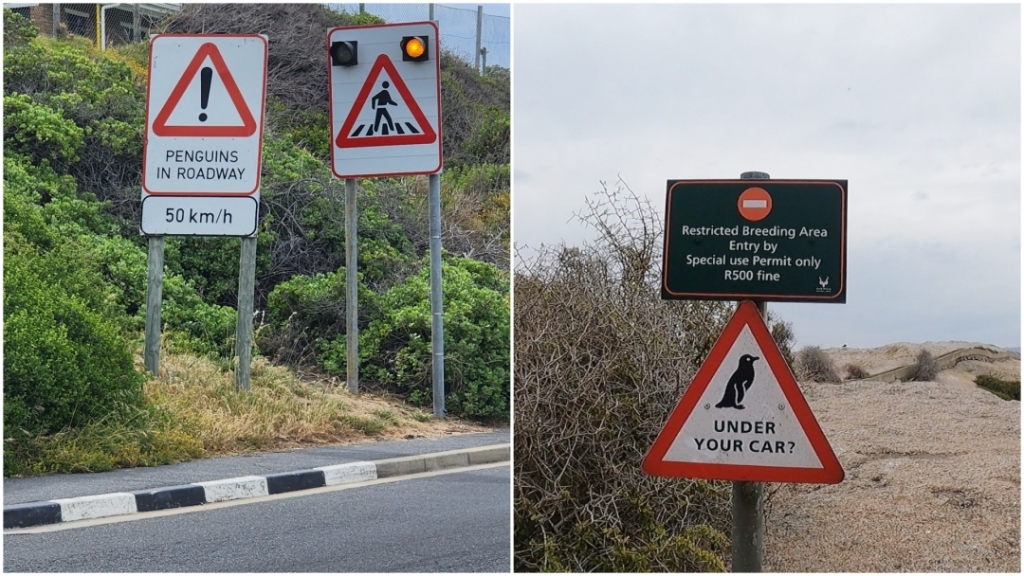
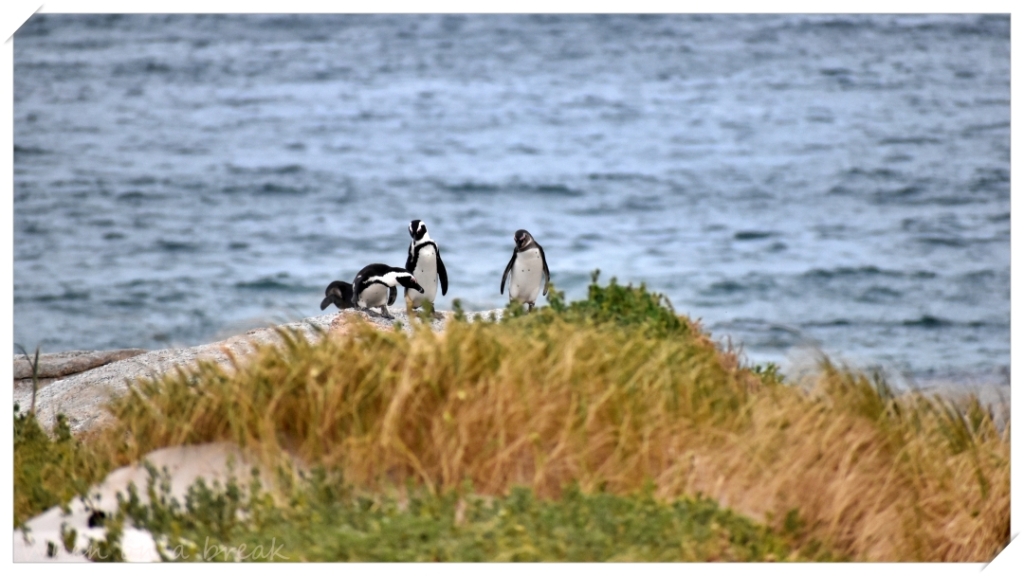
Visiting Boulder’s beach and seeing African Penguins should definitely be on everyone’s itinerary. They are cute, they are rare and apart from the smelly part, they are a sign of a healthy and safe ecosystem. Hurrah!
Safety radar - We would suggest staying in Simon’s Town so both activities (Pelagic and Penguins) can be done comfortably. Boulder’s beach is around 10mins before the Simon Town city center when driving in from Cape Peninsula. It is surrounded by residential houses and high-end B&Bs. It attracts a lot of tourists throughout the day but at night this area can get very quiet and chances are that it may be comparatively unsafe. Simons Town is more active throughout and, in the hustle, and bustle of restaurants and hotels - it may be a bit safer. Anyway, exercising common sense and following general precautions are always advised.
To read more about the Simon’s Town, Cape town, South Africa – Check these informative website :
https://www.sanparks.org/parks/table-mountain/what-to-do/attractions/boulders-penguin-colony
Hope this blog has inspired you to plan your trip to Simon’s Town, Cape Town, South Africa when (you are) on a break!.
Subscribe to our Youtube Channel to see the video of our trip with lot more information, photos and clips!
Subscribe to get regular updates on this blog & checkout our Instagram page for more of our photos during the trip.
 When on a Break!